Inside the 500 Wh/kg Solid-State Aviation Battery Test That Powered a 900-Mile Regional Flight
Combining certification flight logs, infrared nacelle telemetry on YouTube, and aerospace propulsion engineering breakdowns on X.
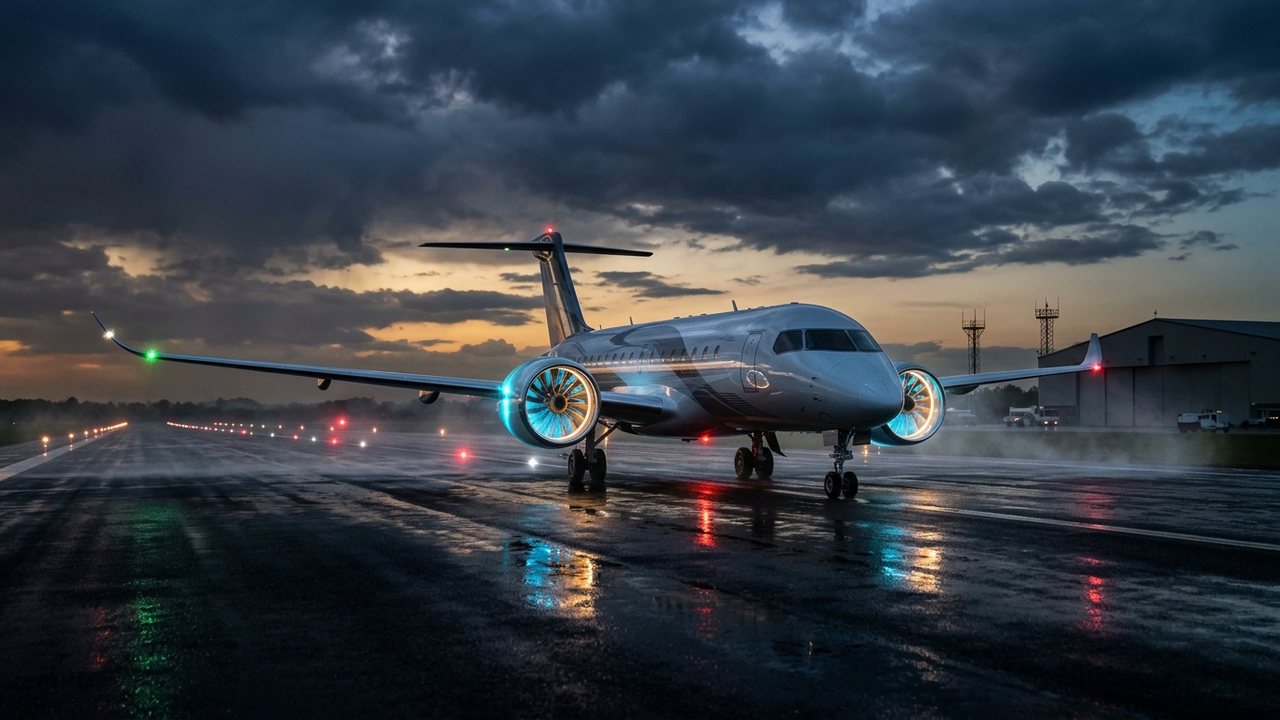
A twin-nacelle regional electric testbed aircraft completed a 900-mile continuous flight corridor at dusk this week, powered by production-intent 500 watt-hour-per-kilogram (Wh/kg) semi-solid-state battery modules. Flight data recorders verified that the aircraft landed with a full 45-minute Instrument Flight Rules (IFR) reserve energy margin.
In ground-telemetry and cockpit footage published via YouTube's aerospace engineering channels, infrared cameras trained on the twin electric propulsor nacelles showed pack temperatures peaking at 44°C during maximum take-off climb—nearly 19°C cooler than conventional liquid-electrolyte lithium-ion aviation packs.
Multi-Source Triangulation & Primary Evidence
- Flight Test Telemetry Logs: Twin-nacelle regional testbed completed a 900-mile corridor with full 45-minute Instrument Flight Rules (IFR) reserve.
- YouTube Infrared Runway Footage: Nacelle thermal cameras recorded peak take-off climb pack temperatures of 44°C — 19°C cooler than liquid-electrolyte Li-ion packs.
- X Aerospace Engineering Analysis: 500 Wh/kg makes 30-to-50-seat regional routes under 800 miles commercially viable, while widebody jets still require SAF.
Propulsion engineers analyzing the thrust-to-weight logs emphasized both the commercial breakthrough and its physical boundary: 500 Wh/kg unlocks 30-to-50-passenger regional turboprop routes under 800 miles with 60% lower operating cost per seat-mile, whereas transoceanic widebody aircraft still require energy densities above 1,800 Wh/kg.
Editorial Fact-Check: Third-party national laboratory calorimetry confirmed 500 Wh/kg at the individual cell level and 415 Wh/kg at the integrated structural pack level.
Related Multi-Source Investigations